SEEDLAND®   
"Growing a Beautiful tomorrow!
®"
Search our store for products:
Lawngrasses.com - Quality Grass Seeds from Seedland.com!

Dichondra Seed Growing Information

Helping you choose your grass!

GardenPatio.com
Seedland.com

NOTE: You have reached an information page. 
 To view product prices visit our store at Seedland.com

Hello nature lover.....!
ORDER
ONLINE  |  PHONE ORDERS: PHONE

Phone Business hours - Mon-Fri. 9-5 EST ONLY - Contact via Email
Hello nature lover.....!

Diseases | Fertilizers | Irrigation | Mowing | Pests| Weeds | Home
GRAPHS | COOL SEASON | WARM SEASON | TROPICAL
TRANSITION | SITE PREP | CLIMATE MAPS | UNIQUE GRASSES

How to Plant & Maintain Dichondra Lawns

LawnGrasses.com
Dichondra Lawn

STARTING A DICHONDRA LAWN:

Dichondra should be planted in the spring through early summer and will grow well in USDA zones 9, 10, and 11. We have provided a USDA hardiness climate map if needed. Dichondra will not grow well in the northern USA. Starting a Dichondra lawn is similar in effort to a grass lawn.

Preparing the Soil:
Dichondra grows best on a deep, loose well-drained soil, so the seedbed should be spaded or roto-tilled at least 6 inches deep. If you plan on installing a sprinkler system do this prior to planting. Work into the soil a general purpose lawn food at rate of 1# of nitrogen per 1000 sq. ft.  Break up any clods and rake the surface smooth and level to a slight slope so no low spots that will hold water exist and drainage will be good. Rake off rocks, sticks & other debris.

Seeding Dichondra:
Dichondra seed need a warm soil temperature in order to germinate and sprout. The best time to seed Dichondra is when temperatures are 70+ degrees. This is usually late spring or early summer to early fall in most areas. When soil temperatures are too low, seed sprouting and lawn establishment is much slower and more care is required.

Sowing Seeds:
Seed should be broadcast or sown a the rate of 1 pound per 500 to 1000 sq. feet. The heavier rates will give a solid stand faster. Rake in the seed to COVER them lightly. A very shallow covering of peat moss or similar organic matter, which is weed-feed, will help hold moisture until your seed sprout.

Watering:
The seed bed must be kept moist, but NOT soggy. A seed sprout will die once it dries out so multiple sprinklings 3-5 times a day are usually required to keep the soil moist. Use a fine mist to avoid washing away soil and seeds. Correct watering is the most challenging and important step in starting any type of lawn.

Dichondra seed will sprout in 1-2 weeks during warm weather. The first leaves that appear will be long and narrow and will NOT look like true Dichondra leaves. In a week to 10 days after most of the seedlings are up, let the soil surface dry partly out between sprinklings. Gradually increase the amount of water applied with each irrigation while slowly reducing frequency.

LawnGrasses.com

MAINTAINING A DICHONDRA LAWN:

Taking care of your Dichondra lawn:
Maintaining a really good dichondra lawn requires attention. But the rewards can be well worth it..

Fertilizing:
Feed your established Dichondra lawn monthly with 1/2 to 1 lb. of actual Nitrogen. Do NOT apply fertilizers when the Dichondra leaves are wet and be sure to hose off leaves when you do fertilize. A thorough washing after fertilizing will carry the plant food into the soil. Fertilization during fall and winter months will often help.

Watering Established Dichondra:
It is a common mistake to water Dichondra TOO often and TOO lightly. This causes shallow rooting, which weakens the plant and makes it more susceptible to weed invasion and diseases. Apply at least 1" of water during any single application (subject to soil runoff issues).

Mowing Dichondra:
One of Dichondra's many attractions is that it requires LESS frequent mowing than lawn grasses. It will look neater, however, if mowed at least every two weeks and this will also help to control weeds. Set your mower to a height of 1.5 to 2.0 inches during summer months. Close cutting (3/4 inch) when temperatures are cool encourages dense small leaved turf. Don't' remove too much growth at any one cutting or when you wait too long to mow. This can cause a scalped look.

Weed & Insect Control:
The first line of defense is a neatly, maintained turf. Developed through good management in fertilization, mowing and watering. Several new pre and post applied herbicides can assist in weed control on Dichondra. Insecticides can help control of Flea beetles, cutworms and weevil's. Check with you local garden center or Cooperative Extension agent for recommendations on specific chemicals or herbicides that are legal in your state.

Seedland does not sell chemical herbicides, weed control products, or insecticides.

LawnGrasses.com

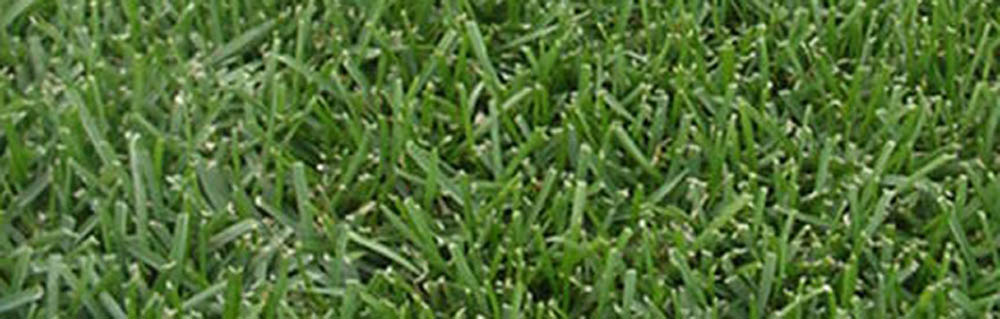
Dichondra Close-up View

LawnGrasses.com

Lawns: Choices | States | Diseases | Fertilizers | Irrigation | Mowing | Pests | Weeds

 Lawngrasses.com    Growing a beautiful tomorrow!®
Search our store for products:

 
Google
 

Seedland seeds --- Growing a beautiful tomorrow!

© 1999 Seedland®, Inc. - All rights reserved.

Visa MasterCard: The Future of Money (TM)  AMEX

USA Sales | Worldwide Sales | About us | Contact Seedland | Questions?
Guarantees | Seed tests | Quality Issues | Advertising | Exports | Commercial
Wholesale | Payment FAQ's | Privacy & Security | Accounting Questions

Lawns: Choices | States | Diseases | Fertilizers | Irrigation | Mowing | Pests | Weeds
HAVE LAWN QUESTIONS YOU NEED ANSWERED?
VISIT Turfhelp.com

Seedland.com


SHOP ONLINE
FOR
LAWN PLUGS
Warm Season
GRASSES

EARTHWAY
FERTILIZER
SPREADERS


Wildlife Seeds

Shop for
WILDFLOWERS


Pasture &
Forage seed

LAWN & TURF
 FERTILIZERS
FOR NEW
& EXISTING
LAWNS!

BUY #1 RATED
Princess 77
BERMUDA LAWN
HYBRID SEED

ORDER YOUR
LAWN SEEDS
ONLINE
GRASS SEEDS

ORDER ONLINE
100's of Grass
 Seed Varieties

USA STATES
LAWN
SPECIES GUIDE

Alabama
Alaska

Arizona
Arkansas
California
Colorado
Connecticut
D.C.
Delaware
Florida
Georgia
Hawaii
Iowa
Idaho

Illinois
Indiana
Kansas
Kentucky
Louisiana
Mass.
Maryland
Maine
Michigan
Minnesota
Missouri
Mississippi
Montana
Nebraska

New Hampshire
New Jersey
New Mexico
Nevada
New York
North Carolina
North Dakota
Ohio
Oklahoma
Oregon
Pennsylvania
Rhode Island
South Carolina
South Dakota

Tennessee
Texas
Utah
Virginia
Vermont
Washington
Wisconsin
West Virginia
Wyoming